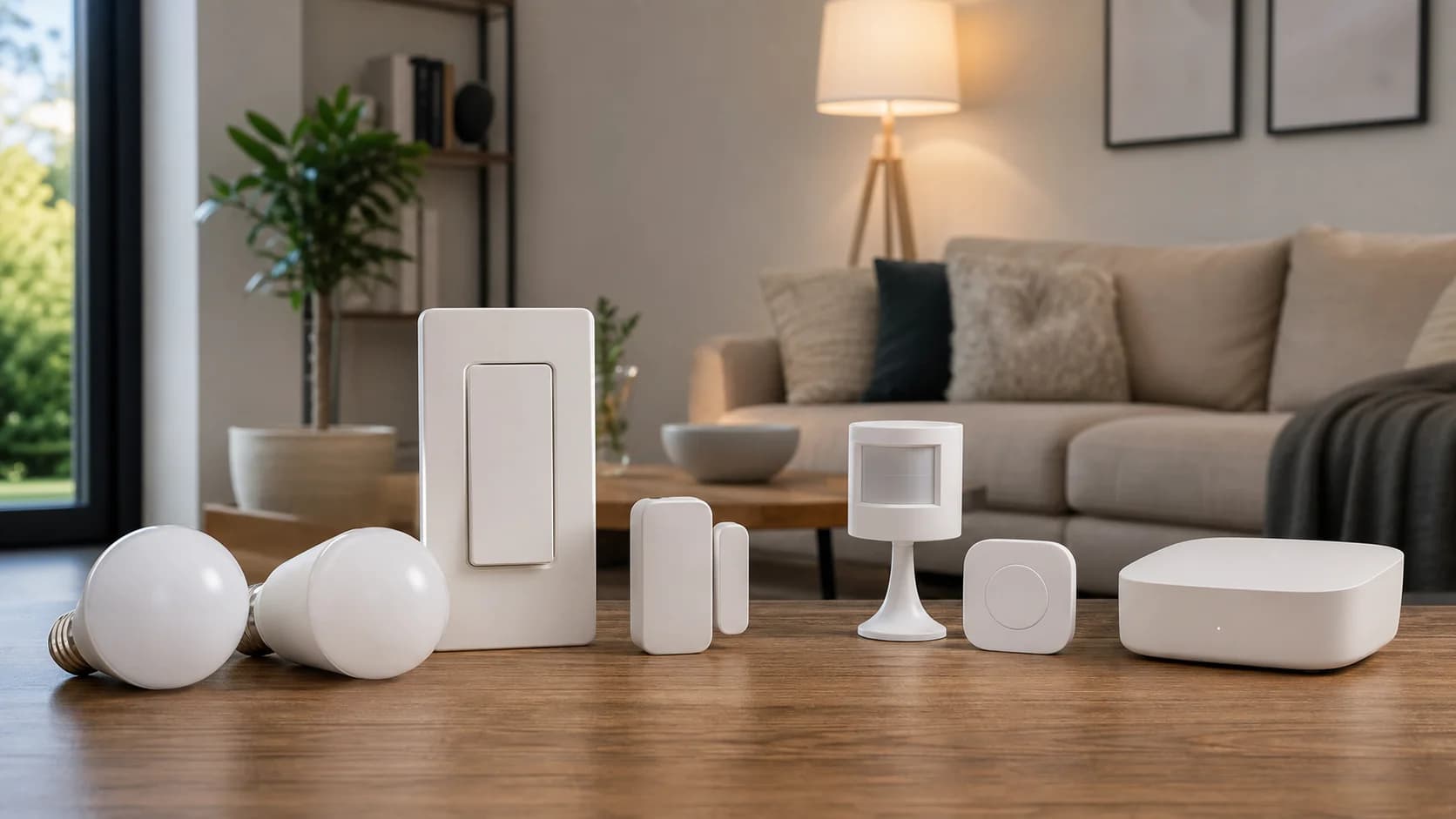
The real fork is specialized function versus smart bulbs or fixed accent lighting
Smart light strips win when they can add continuous accent or task lighting along a measured edge or recess and that function removes a known recurring problem. smart bulbs or fixed accent lighting win when they reach the same outcome with fewer dependencies, less maintenance, a more understandable failure mode, or a cleaner return path.
Normalize required length and cut points and brightness and color consistency
Compare both paths across the same fixture, circuit, controller ecosystem, radio path, owner account, and manual fallback, with every required dependency included. A complete smart light strips package should not be compared with an incomplete alternative, and a retailer headline should not replace product-level compatibility evidence.
Use power-supply location and cable reach and adhesive surface, corner routing, and extension compatibility as tie-breakers
In a smart light strips comparison, power-supply location and cable reach and adhesive surface, corner routing, and extension compatibility reveal the friction that appears after an attractive demo. Choose the path that can be installed, used, cleaned, updated, and recovered by the people who will actually own it. Prefer the simpler failure mode when performance is otherwise close.
Compare ownership, not only purchase price
Smart light strips bring an ownership path of adhesive replacement, failed segments, proprietary extensions, controller access, heat, and restoring the surface after removal. Price that against the maintenance and replacement work of smart bulbs or fixed accent lighting over one normal year. Include the value of time and the cost of losing the service while a proprietary part, account, or repair is unavailable.
Make the choice reversible
Use this test path before the return window closes: clean and test the full strip before removing adhesive backing, dry-fit corners, and keep the controller and power supply accessible. Preserve the old setup and packaging until the product survives normal use. Choose the alternative immediately when the strip must cross sharp corners, be hidden in an inaccessible channel, or provide primary room lighting without published output.