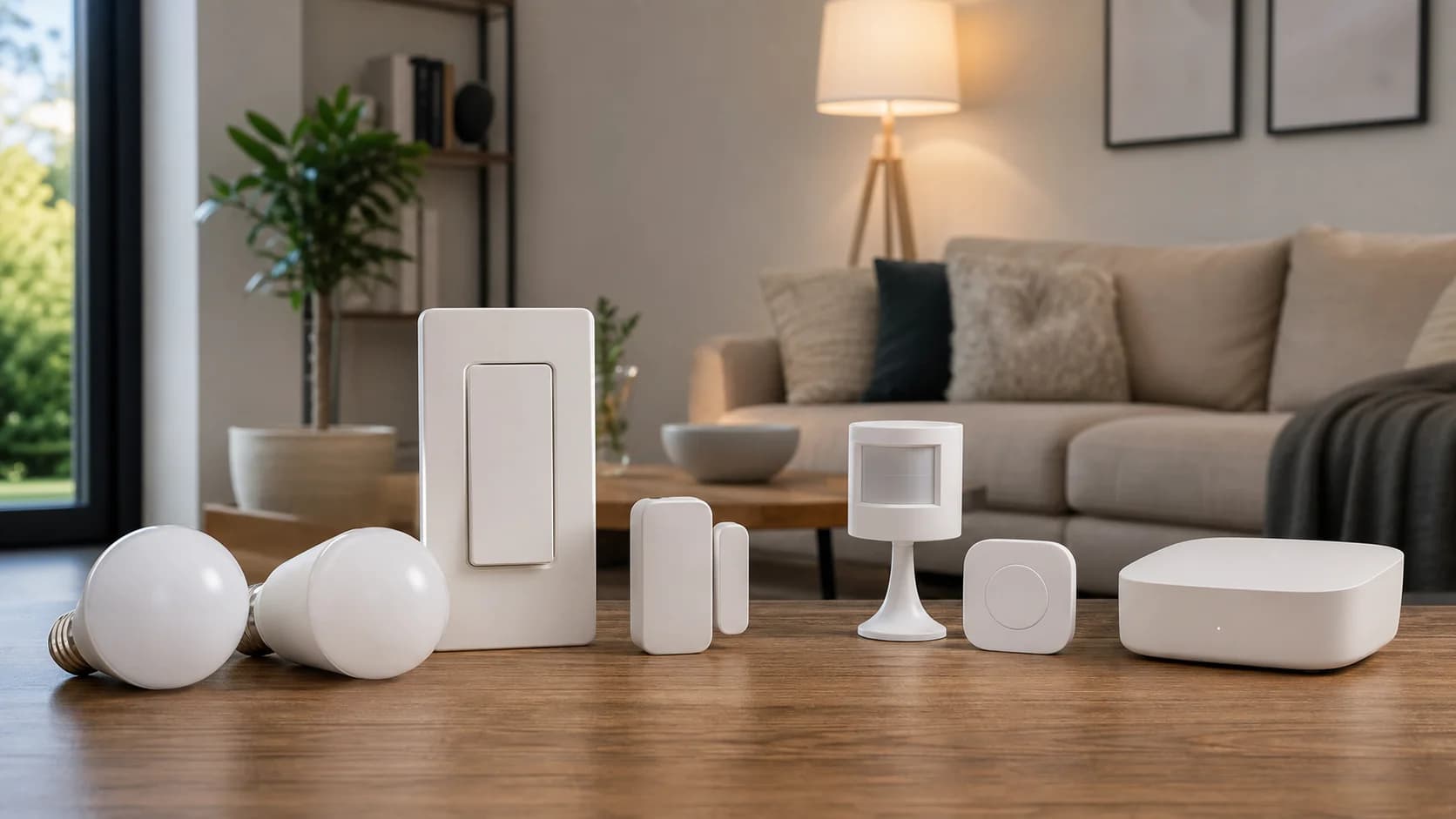
Stage setup before changing the routine
Use this order: place away from water and loud appliances, configure household purchasing and privacy settings, and test common commands and mute controls. Complete the first setup while there is time to read, observe, and reverse decisions. Add one device, user, animal, automation, accessory, or workflow step at a time so the cause of a failure remains visible.
Put voice-assistant ecosystem and room acoustics and microphone reach into the setup checklist
Verify voice-assistant ecosystem and room acoustics and microphone reach for the selected smart speakers in the real environment and record the result. The routine should not depend on remembering a hidden app state, unsupported adapter, special handling step, or unlabelled configuration that another household member cannot recover.
Design daily use around music-service and multi-room support and privacy mute, household profiles, and local-control limits
For smart speakers, write the few actions that should occur every day or week around music-service and multi-room support and privacy mute, household profiles, and local-control limits. Include cleaning, charging, refilling, data review, physical inspection, or supervision where relevant. If those actions are harder than the previous smart displays routine, the new product has not removed the original friction.
Test recovery deliberately
For smart speakers, safely simulate the most plausible ordinary failure created by the ownership path: loss of mains power, radio coverage, internet, controller, account access, automation state, or a replaceable battery. Confirm the relevant alerts, manual controls, saved settings, physical checks, and exact steps needed to resume the routine without creating a second problem.
Review after a normal week
Compare time saved, new chores, reliability, user or animal response, and maintenance. Revert when voice is unreliable for the household, purchasing or private data cannot be constrained, or a physical control is needed for essential routines. Keep the workflow only if it solves the original job and remains understandable to the people who must use and recover it.