Dwellwise Picks
Browse
Automation basics

Smart Wall Switches: Setup and Daily Workflow

Current retailer option

Smart Wall Light Switch, 2.4GHz 2 Gang WiFi Touch Switches, Neutral Wire Required, 3 Way Muti Remote Control Smart Life/Tuya App, Compatible with Alexa, Google Home, Black, 2026

Check current price & availability on Amazon

Current price & availability · purchase link

Open the exact family listing to compare the live price, availability, delivery, seller, and returns.

How should smart wall switches be set up and used without adding a new daily chore? This guide turns that question into model-level checks, a reversible setup, a first-year ownership plan, and a clear skip decision.

Prepared by the Dwellwise Picks editorial deskUpdated August 9, 2026

Quick answer

The practical answer

Use this order: turn off and verify the circuit, photograph existing wiring, confirm line and load, install to the exact diagram, then test locally before pairing. Keep the previous routine available until normal operation and a safe recovery test both work.

Common buying question

How should smart wall switches be set up and used without adding a new daily chore?

This URL answers the workflow decision and does not substitute for the sibling buying, comparison, fit, ownership decisions.

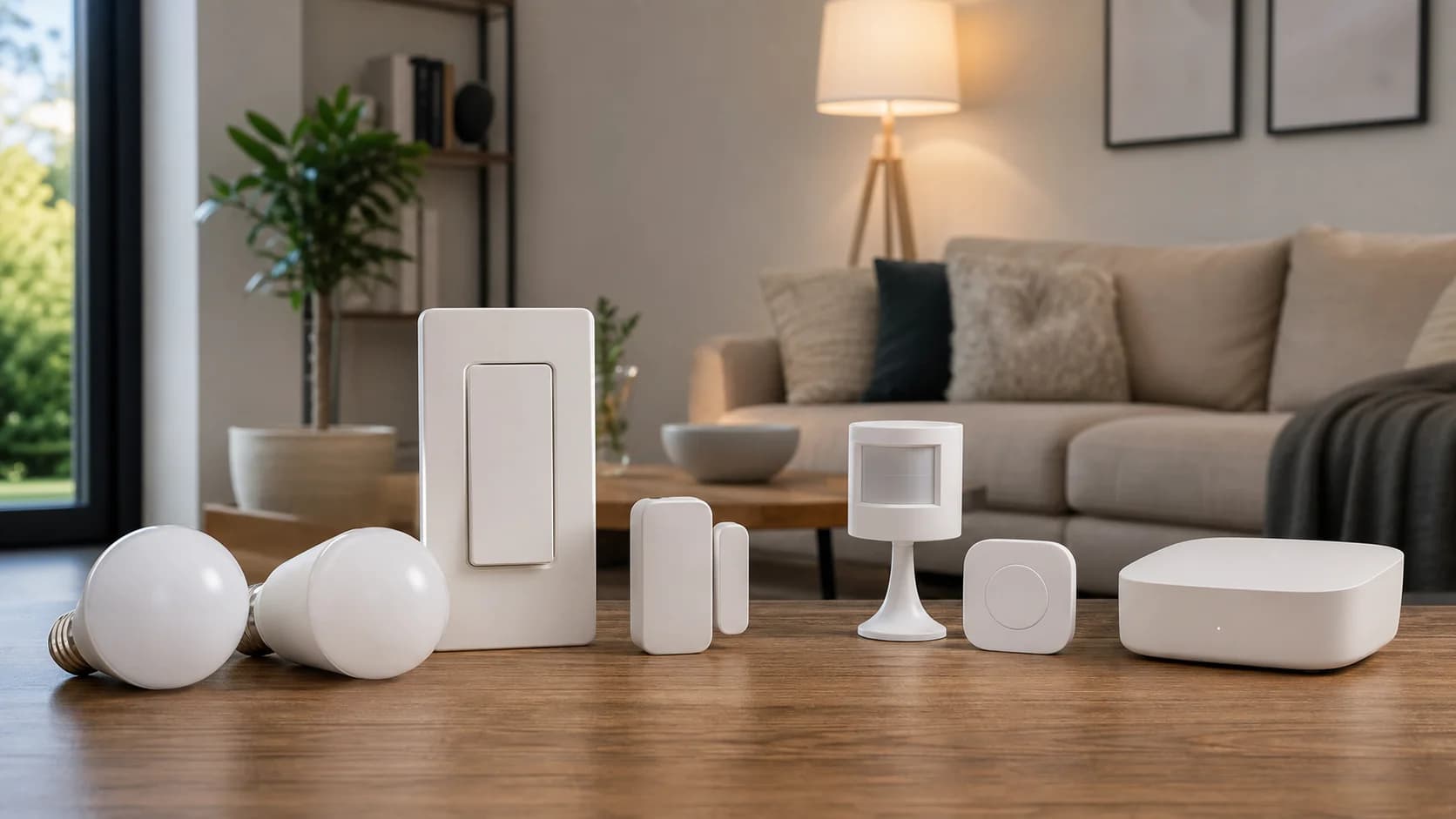
Original editorial scene with unbranded smart-home automation controls and sensors
Original editorial image for category, fit, and use context; verify the exact linked product appearance and configuration on the retailer page.

Stage setup before changing the routine

Use this order: turn off and verify the circuit, photograph existing wiring, confirm line and load, install to the exact diagram, then test locally before pairing. Complete the first setup while there is time to read, observe, and reverse decisions. Add one device, user, animal, automation, accessory, or workflow step at a time so the cause of a failure remains visible.

Put neutral-wire and line-load identification and single-pole or multi-way topology into the setup checklist

Verify neutral-wire and line-load identification and single-pole or multi-way topology for the selected smart wall switches in the real environment and record the result. The routine should not depend on remembering a hidden app state, unsupported adapter, special handling step, or unlabelled configuration that another household member cannot recover.

Design daily use around load type and wattage and box depth, radio, and hub requirements

For smart wall switches, write the few actions that should occur every day or week around load type and wattage and box depth, radio, and hub requirements. Include cleaning, charging, refilling, data review, physical inspection, or supervision where relevant. If those actions are harder than the previous smart bulbs routine, the new product has not removed the original friction.

Test recovery deliberately

For smart wall switches, safely simulate the most plausible ordinary failure created by the ownership path: loss of mains power, radio coverage, internet, controller, account access, automation state, or a replaceable battery. Confirm the relevant alerts, manual controls, saved settings, physical checks, and exact steps needed to resume the routine without creating a second problem.

Review after a normal week

Compare time saved, new chores, reliability, user or animal response, and maintenance. Revert when the wiring cannot be positively identified, the load is unsupported, or local electrical rules require a licensed installer. Keep the workflow only if it solves the original job and remains understandable to the people who must use and recover it.

Current Amazon option

Check this exact product

Smart Wall Light Switch, 2.4GHz 2 Gang WiFi Touch Switches, Neutral Wire Required, 3 Way Muti Remote Control Smart Life/Tuya App, Compatible with Alexa, Google Home, Black, 2026

ASIN
B0FXY66W99
Brand
NillWay
Listing checked
8/9/2026

Compare the current title, ASIN, variant, seller, stock, shipping, price, and return path before ordering.

Side-by-side checks

Workflow checks that change the smart wall switches decision

CheckWhat to verifyDecision effect
Decision 1neutral-wire and line-load identificationTreat any unanswered question about neutral-wire and line-load identification as a reason to pause rather than assume fit.
Decision 2single-pole or multi-way topologyTreat any unanswered question about single-pole or multi-way topology as a reason to pause rather than assume fit.
Decision 3load type and wattageTreat any unanswered question about load type and wattage as a reason to pause rather than assume fit.
Decision 4box depth, radio, and hub requirementsTreat any unanswered question about box depth, radio, and hub requirements as a reason to pause rather than assume fit.
Setup proofturn off and verify the circuit, photograph existing wiring, confirm line and load, install to the exact diagram, then test locally before pairingComplete this path before retiring the previous routine or equipment.
Exit conditionthe wiring cannot be positively identified, the load is unsupported, or local electrical rules require a licensed installerUse smart bulbs or keep the current setup when this condition applies.

Primary sources

References used for this guide

How this page was governed

Page-specific editorial method

  1. 1.Define one independent purchase or use question for this URL.
  2. 2.Verify the four family-specific dimensions: neutral-wire and line-load identification; single-pole or multi-way topology; load type and wattage; box depth, radio, and hub requirements.
  3. 3.Use an exact Amazon ASIN only as a current retailer identity and checkout anchor, not as hands-on evidence.
  4. 4.Do not add a community claim when no sufficiently relevant public discussion was found.
  5. 5.Keep a written stop condition and a reversible test path.

Related guide

Smart Wall Switches Buying Guide

Which smart wall switches are worth buying when the real job is to control a fixed lighting circuit while keeping a dependable physical control for everyone? This guide turns that question into model-level checks, a reversible setup, a first-year ownership plan, and a clear skip decision.

Related guide

Smart Wall Switches vs. smart bulbs

Choose between smart wall switches and smart bulbs for one concrete job: control a fixed lighting circuit while keeping a dependable physical control for everyone. Compare four product-level checks, ownership cost, and the failure mode you can actually recover.

Related guide

Smart Wall Switches: Compatibility and Fit Guide

Will smart wall switches fit the exact user, space, equipment, and installation path? This guide turns that question into model-level checks, a reversible setup, a first-year ownership plan, and a clear skip decision.

Related guide

Smart Wall Switches: Ownership Cost and Maintenance

What will smart wall switches cost and require after checkout? This guide turns that question into model-level checks, a reversible setup, a first-year ownership plan, and a clear skip decision.

Related guide

Matter Over Thread Hub: Controller and Border Router Checklist

Match the Matter controller, Thread border router, Wi-Fi path, ecosystem, and accessory before buying a hub for Matter over Thread devices.

Related guide

Matter vs Zigbee vs Thread: Which Smart-Home Standard Do You Need?

Understand Matter vs Zigbee vs Thread, including radios, controllers, border routers, hubs, compatibility, and offline control.

Related guide

Water Leak Sensor Placement Guide

Put sensors where water appears first: under appliances, inside sink cabinets, by shutoff valves, near sump pumps, and around basement equipment.

Related guide

Wi-Fi vs Zigbee vs LoRa Water Leak Sensors

Choose the radio by room and response plan: simple Wi-Fi gateway kits, hub-based Zigbee automations, or long-range LoRa for basements and outbuildings.

Smart Wall Switches: Setup and Daily Workflow